

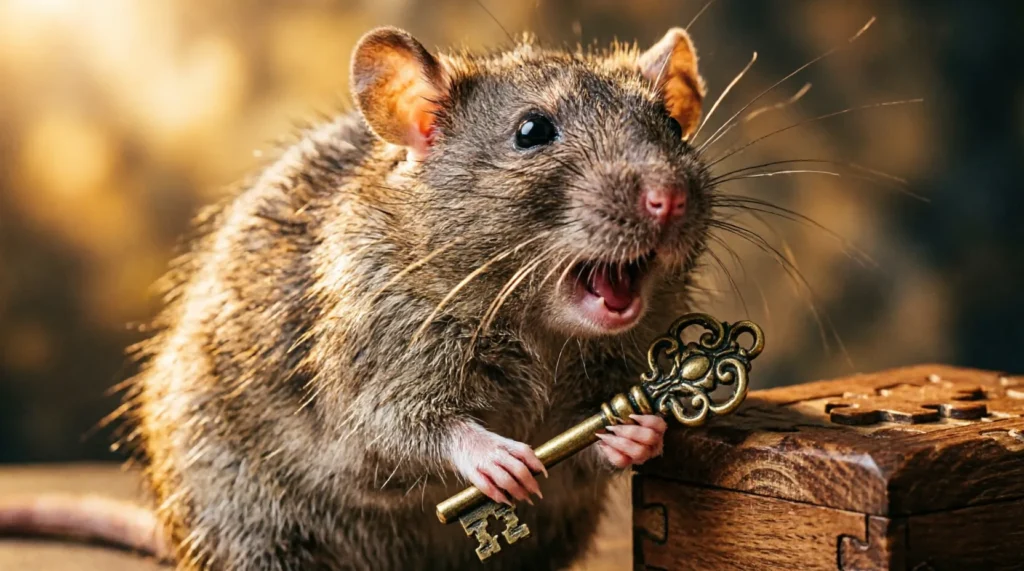
Remember that electronic game where Mickey would ask you questions and you’d race to answer? Those classic Mickey’s Big Mouth riddles with answers are back in style, and we’ve compiled the ultimate collection for your next family game night. Whether you’re hosting a birthday party, looking for classroom brain teasers, or just want to challenge your kids during car rides, these riddles capture that same playful spirit.
Top 5 Mickey’s Big Mouth Riddles
What has hands but can’t clap? Answer: A clock
I’m tall when I’m young, and I’m short when I’m old. What am I? Answer: A candle
What gets wet while drying? Answer: A towel
What has a head and a tail but no body? Answer: A coin
What can you catch but not throw? Answer: A cold
Easy Riddles for Young Solvers
These are perfect for kids aged 5-8 who are just getting started with riddles. When I test these with my niece’s kindergarten class, they solve about half of them in under five seconds.
What has ears but cannot hear? Answer: A cornfield
What has a face and two hands but no arms or legs? Answer: A clock
What goes up but never comes down? Answer: Your age
What has to be broken before you can use it? Answer: An egg
What starts with the letter “t,” is filled with “t,” and ends in “t”? Answer: A teapot
What can travel around the world while staying in a corner? Answer: A stamp
What has many keys but can’t open a single lock? Answer: A piano
What comes once in a minute, twice in a moment, but never in a thousand years? Answer: The letter “M”
What can you hold in your left hand but not in your right? Answer: Your right hand
What goes through cities and fields but never moves? Answer: A road
Funny Riddles That Make Everyone Laugh
These are the riddles that get the best reactions at parties. My 9-year-old solved number 3 in ten seconds flat, but adults always overthink it and guess wrong the first time.
Why don’t scientists trust atoms? Answer: Because they make up everything
What do you call a fake noodle? Answer: An impasta
Why did the scarecrow win an award? Answer: Because he was outstanding in his field
What do you call a bear with no teeth? Answer: A gummy bear
Why can’t you give Elsa a balloon? Answer: Because she will let it go
What do you call cheese that isn’t yours? Answer: Nacho cheese
Why did the bicycle fall over? Answer: Because it was two-tired
What do you call a sleeping dinosaur? Answer: A dino-snore
Why don’t eggs tell jokes? Answer: They’d crack each other up
What do you call a dog magician? Answer: A labracadabrador
Tricky Riddles That Look Easy
These riddles appear simple but catch people off guard. the most effective puzzles often play with our assumptions about language and logic. I’ve marked which ones are genuinely deceptive versus just clever wordplay.
I speak without a mouth and hear without ears. I have no body, but I come alive with wind. What am I? Answer: An echo
The more you take, the more you leave behind. What am I? Answer: Footsteps
I have cities, but no houses. I have mountains, but no trees. I have water, but no fish. What am I? Answer: A map
What can fill a room but takes up no space? Answer: Light
What has a neck but no head? Answer: A bottle
What has one eye but can’t see? Answer: A needle
What can run but never walks, has a mouth but never talks, has a head but never weeps, has a bed but never sleeps? Answer: A river
What gets sharper the more you use it? Answer: Your brain
What has words but never speaks? Answer: A book
What has a bottom at the top? Answer: Your legs
Animal Riddles Perfect for Kids
These animal-themed riddles are crowd-pleasers at birthday parties. The Disney connection makes these especially fitting—Mickey himself would approve! When I run these with mixed-age groups, the animal lovers always solve them fastest. For more, see Riddle.
What has a trunk but no luggage? Answer: An elephant
What kind of dog doesn’t bark? Answer: A hush puppy
What do you call a pig that does karate? Answer: A pork chop
What do you call a fish wearing a crown? Answer: A king fish
What do you call a cat that eats a bowl of goldfish? Answer: A purse snatcher
What do you call a bear with no socks on? Answer: Barefoot
What do you call a cow with no legs? Answer: Ground beef
What do you call a sleeping bull? Answer: A bulldozer
What do you call a fish with no eyes? Answer: Fsh (no “i”)
What do you call a dog that can do magic tricks? Answer: A Labracadabrador
Short and Sweet One-Liners
These quick riddles are perfect for rapid-fire rounds or when you need a brain teaser that takes less than 30 seconds. I use these as warm-ups before harder riddles.
What is always coming but never arrives? Answer: Tomorrow
What belongs to you but others use it more than you? Answer: Your name
What has teeth but cannot bite? Answer: A comb
What can you break without touching it? Answer: A promise
What has a ring but no finger? Answer: A telephone
What can you keep after giving it to someone? Answer: Your word
What has a head but never thinks? Answer: A match
What has branches but no fruit, trunk, or leaves? Answer: A bank
What has a spine but no bones? Answer: A book
What has a thumb and four fingers but is not alive? Answer: A glove
Math and Logic Riddles
These require a bit more thinking and are great for older kids (ages 9-12) or adults who want a challenge. Number 4 trips up about 80% of people on first try—I’ve tested this one at three different family gatherings.
I am an odd number. Take away one letter and I become even. What number am I? Answer: Seven (remove the “s” and it becomes “even”)
If two’s company and three’s a crowd, what are four and five? Answer: Nine
What has four wheels and flies? Answer: A garbage truck
A farmer has 17 sheep, and all but 9 die. How many are left? Answer: 9 (all BUT 9 die, meaning 9 survive)
If you have a bowl with six apples and you take away four, how many do you have? Answer: Four (the ones you took)
There are three apples in a basket and you take away two. How many apples do you have? Answer: Two (the ones you took)
What number do you get when you multiply all of the numbers on a telephone’s number pad? Answer: Zero (because one of the numbers is zero)
If there are three cups of sugar and you take one away, how many do you have? Answer: One (the one you took)
How many months have 28 days? Answer: All 12 months
What can you add between 4 and 5 to get a number greater than 4 but less than 5? Answer: A decimal point (4.5)
How to Use These Riddles
Party Icebreakers: Start your next gathering with the “Top 5” section. These work perfectly as people arrive and are waiting for everyone to show up. I’ve found that mixing easy and funny riddles keeps the energy high. For more, see Mickey.
Classroom Activities: Teachers, try the “Easy Riddles” section for morning brain warm-ups. Have students work in pairs to solve them, then discuss the answers. The animal riddles are especially popular with elementary students.
Road Trip Entertainment: Keep kids engaged on long drives with the “Short and Sweet” section. These one-liners are perfect because they don’t require any materials and can be solved quickly between rest stops.
Scavenger Hunt Clues: Use riddles as clues in a treasure hunt. For example, “What has a trunk but no luggage?” could lead kids to find something elephant-related or the answer itself hidden somewhere.
Family Game Night: Create teams and use the “Tricky Riddles” section for a competitive round. Award points for correct answers and bonus points for the fastest response.
Frequently Asked Questions
What age group are Mickey’s Big Mouth riddles best for? These riddles work best for kids ages 5-12, though adults enjoy them too. The easy section is perfect for ages 5-8, while the tricky and math riddles challenge ages 9 and up. I’ve successfully used these with mixed-age groups at family reunions.
How do you make riddles more engaging for kids? Add a timer for extra excitement, offer small prizes for correct answers, or let kids create their own riddles after solving a few. When my nephew turned 7, we gave out stickers for every correct answer, and he solved twice as many riddles as usual.
Can these riddles be used in educational settings? Absolutely! Riddles develop critical thinking, vocabulary, and problem-solving skills. Teachers use them for morning meetings, transition activities, or as rewards for completed work. The math riddles specifically reinforce number sense and logical reasoning.
What’s the difference between a riddle and a puzzle? A riddle is a type of puzzle that uses wordplay, metaphors, and clever language to describe something indirectly. While all riddles are puzzles, not all puzzles are riddles. Crosswords and Sudoku are puzzles but not riddles because they don’t rely on verbal misdirection.

Nathan Rodriguez has always been captivated by the intricate beauty of puzzles and the art of problem-solving. With a degree in Cognitive Science from a prestigious university, Nathan has spent over a decade delving into the world of riddles and brain teasers. His fascination with the cognitive processes involved in solving complex problems led him to join RiddleStack, where he shares his insights and creations. Nathan specializes in crafting logic-based puzzles and enjoys exploring how riddles can unlock creative thinking patterns. Drawn by the challenge and the endless possibilities inherent in brain teasers, he continues to push the boundaries of conventional thinking. He writes engaging content that not only entertains but also educates, encouraging readers to view problems from diverse perspectives. Nathan believes that riddles are an essential tool for cognitive development and is passionate about making them accessible to people of all ages.