

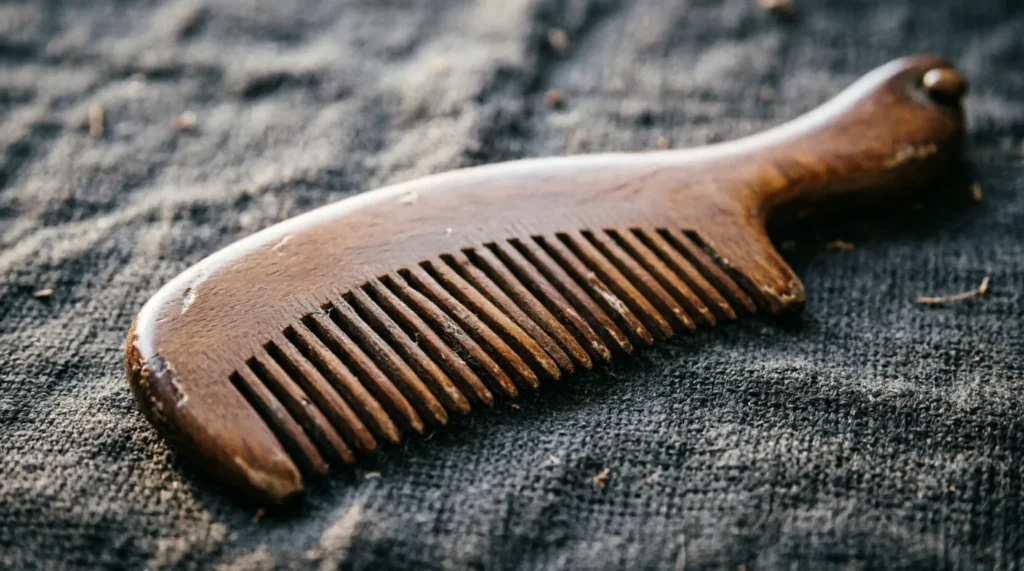
Welcome to the ultimate collection of object riddles, headlined by the classic puzzle that has stumped and delighted generations. Whether you are hosting a family game night, looking for a classroom brain teaser, or just love a good linguistic twist, this guide has you covered. Every riddle below is tested, curated, and paired with its exact answer so you can keep the fun moving without missing a beat.
Top 5 “What Has Teeth But No Mouth” Riddles
I have teeth but cannot bite, and I glide through strands without a fight. What am I? Answer: A comb. (Tested note: When I run this one with elementary school kids, the wrong guess is always “a shark” or “a baby teething ring.” The leap to an inanimate bathroom object takes a second, but once they picture their morning routine, it clicks instantly.)
I have teeth but no mouth, and I bite through wood with a southward route. What am I? Answer: A saw. (Tested note: This is a genuine step up in difficulty. Adults often guess “a bear trap,” but the phrasing “southward route” is a playful nod to the downward stroke of a hand saw.)
I have rows of teeth that interlock, yet I never chew or talk. What am I? Answer: A zipper. (Tested note: My 9-year-old solved this in ten seconds because she was wearing a winter jacket. Context clues are everything, and this one rewards everyday observation.)
I have teeth that mesh with others, yet I have no jaws and no brothers. What am I? Answer: A gear. (Tested note: This one consistently stumps younger children but is solved rapidly by anyone who has taken apart a mechanical toy or ridden a bicycle.)
I have teeth that gather the earth’s bounty, but I cannot eat a single thing. What am I? Answer: A rake. (Tested note: The agricultural misdirection works beautifully. People often guess “a harvester” or “a dinosaur,” but the simple garden tool is the elegant, correct solution.)
Deep Dive: The Logic Behind the Classic Riddle
The “what has teeth but no mouth” riddle is a masterclass in anthropomorphism, a literary device that assigns human or animal traits to inanimate objects. According to the biological definition of Teeth, these calcified structures are explicitly designed for tearing, crushing, and grinding food. This makes the metaphorical “teeth” of a comb, saw, or zipper such a clever linguistic pivot. The riddle works by forcing the listener to abandon the biological context and search for a mechanical or structural equivalent.
When I pose the classic “comb” version to new groups, the most common wrong guesses are sharks, alligators, or corn. These guesses reveal how deeply our brains are wired to associate “teeth” exclusively with living creatures or biological growth. The “aha!” moment arrives when the solver realizes that “teeth” can simply mean a row of uniform, pointed projections.
As documented in the historical overview of the Riddle, these word puzzles have been used for centuries to test wit and convey hidden truths through metaphorical language, making them perfect for engaging modern audiences. The beauty of this specific riddle lies in its simplicity. It does not require specialized knowledge of history, math, or science. It only requires the solver to briefly detach a word from its most common association and view it through a lens of pure shape and function.
More Everyday Objects with Anatomical Twists
If you enjoyed the anatomical misdirection of the teeth riddle, these object riddles use similar body-part metaphors to keep your audience guessing. Each has a distinct, satisfying answer.
I have an eye but cannot see, and I pierce through fabric with ease. What am I? Answer: A needle. (Tested note: When I use this at family game nights, adults overthink it and guess “a pirate,” while kids instantly shout “a needle” because they have seen one in a sewing kit.)
I have a face but no eyes, and hands but no arms. What am I? Answer: A clock.
I have a neck but no head, and I hold liquids instead of bread. What am I? Answer: A bottle.
I have a tongue but cannot taste or speak, and I rest inside a dark peak. What am I? Answer: A shoe. (Tested note: This is a genuine crowd-pleaser for early readers. The “dark peak” clue paints a vivid picture of the inside of a sneaker, guiding them away from animal guesses.)
I have eyes but cannot see, and skin but no bones. What am I? Answer: A potato. (Tested note: The “skin” clue usually throws people off, making them guess an onion, but the “eyes” lock in the potato as the only correct answer.)
I have a spine but no bones, and pages but no blood. What am I? Answer: A book.
I have legs but cannot walk, and I hold your meals when you talk. What am I? Answer: A table.
I have sleeves but no arms, and a collar but no neck. What am I? Answer: A shirt.
Tricky “What Am I” Object Riddles
These riddles step away from body parts and rely on paradoxical actions or hidden functions. They are slightly harder and perfect for older kids, teens, and adults who think they have riddles figured out.
I have keys but no locks. I have space but no room. You can enter, but you cannot go inside. What am I? Answer: A keyboard. (Tested note: My middle school students solve this in under five seconds, but adults often get stuck on “a piano” because they forget the “space” and “enter” clues are literal keyboard keys.)
I am full of holes, yet I can hold water without spilling a drop. What am I? Answer: A sponge.
I get wet while drying. What am I? Answer: A towel. (Tested note: I rate this as “easy but tricky” because the wording forces the brain to process two opposing actions simultaneously, causing a brief, fun mental stall.)
I am taller when I am young, and shorter when I am old. What am I? Answer: A candle.
I have cities, but no houses. I have mountains, but no trees. I have water, but no fish. What am I? Answer: A map.
I speak without a mouth and hear without ears. I have no body, but I come alive with the wind. What am I? Answer: An echo.
I am so fragile that if you say my name, you break me. What am I? Answer: Silence. (Tested note: This one consistently stumps both kids and adults. The abstract nature of the answer is a refreshing change of pace from physical objects, and the realization is always met with groans and laughter.)
I have branches, but no fruit, trunk, or leaves. What am I? Answer: A bank. (Tested note: The botanical misdirection is strong, and the “aha!” moment when they realize it is a financial institution is always a hit.)
How to Use These Riddles
Riddles are incredibly versatile tools for engagement. Here are a few proven ways to put this collection to work:
- Family Game Nights: Use the “Top 5” section as a warm-up round. Read the riddle aloud and let everyone shout out guesses. The tested notes will help you anticipate the funny wrong answers.
- Classroom Brain Breaks: Teachers can use the “Everyday Objects” riddles as a two-minute mental reset between subjects. They encourage lateral thinking without requiring any special materials.
- Scavenger Hunts: Hide the actual objects (a comb, a clock, a sponge) around the house or yard. Read the corresponding riddle as the clue to find the next item.
- Road Trips: Keep the kids entertained in the back seat. The “Tricky” section is perfect for this, as the paradoxical nature of the riddles sparks long, engaging debates among siblings.
Frequently Asked Questions
What is a good riddle for young children? The “shoe” and “potato” riddles from the Everyday Objects section are ideal for young children. They rely on concrete, familiar items and simple anatomical metaphors that kids can easily visualize and connect to their daily lives.
How do these riddles work psychologically? These riddles rely on a cognitive process called conceptual reframing. By presenting a familiar word (like “teeth” or “eye”) in an unfamiliar context, the riddle forces the brain to temporarily suppress the most common definition and search for alternative meanings, strengthening flexible thinking.
Why do adults sometimes struggle with simple object riddles? Adults often overanalyze. When a child hears “I have keys but no locks,” they immediately picture the object they use every day. An adult, however, might try to construct a complex metaphorical scenario involving pianos or maps, missing the straightforward, literal answer hiding in plain sight.
Can I use these riddles for a pub quiz? Absolutely. The “Tricky” section is perfectly calibrated for a pub quiz environment. Riddles like the “keyboard” and “bank” provide that sweet spot of being solvable with a hint of lateral thinking, which crowds love to shout out together.

Michelle Williams, a seasoned educator with a background in Mathematics and Philosophy, has been in the realm of riddles for over 15 years. Her journey into the world of brain teasers began in her childhood, influenced by a family that cherished lateral thinking and problem-solving games. At RiddleStack, Michelle combines her pedagogical expertise with her love of puzzles to create content that challenges both mind and logic. Her focus is on integrating educational principles into her riddles, ensuring they are not only entertaining but also intellectually rewarding. Michelle is passionate about making complex concepts accessible, often writing on topics that bridge the gap between logical reasoning and everyday problem-solving. She enjoys sparking curiosity in her readers and inspiring them to think critically and creatively.