

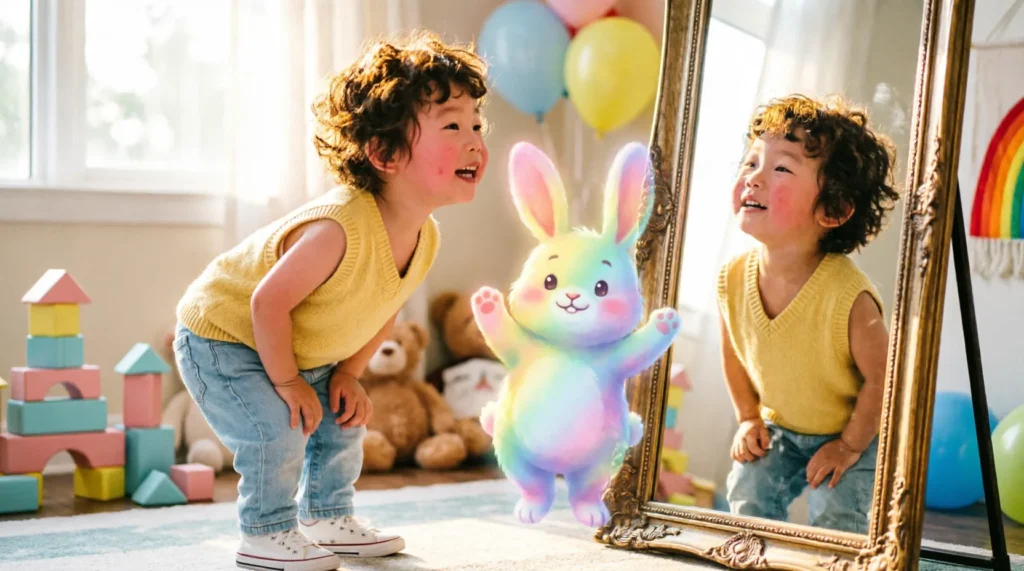
Who am I riddles are the perfect way to spark curiosity and laughter in young minds. Whether you’re a parent looking for rainy-day activities or a teacher planning a classroom icebreaker, these playful puzzles keep kids engaged while building critical thinking skills.
Top 5 Who Am I Riddles for Kids
I have cities, but no houses. I have mountains, but no trees. I have water, but no fish. What am I? Answer: A map
I’m tall when I’m young, and I’m short when I’m old. What am I? Answer: A candle
I have hands but can’t clap. What am I? Answer: A clock
I have a head and a tail but no body. What am I? Answer: A coin
The more you take, the more you leave behind. What am I? Answer: Footsteps
Easy Who Am I Riddles for Beginners
These straightforward riddles are perfect for younger children or anyone just getting started with puzzle-solving. When I test these with my 6-year-old niece, she solves them in seconds—building confidence before tackling harder challenges.
I have keys but open no locks. I have space but no room. You can enter but not go inside. What am I? Answer: A keyboard
I’m light as a feather, yet the strongest person can’t hold me for more than five minutes. What am I? Answer: Breath
I can be cracked, made, told, and played. What am I? Answer: A joke
I have legs but cannot walk. What am I? Answer: A table
I have a neck but no head. What am I? Answer: A bottle
I get wet while drying. What am I? Answer: A towel
I have teeth but cannot bite. What am I? Answer: A comb
I go up but never come down. What am I? Answer: Your age
I have one eye but cannot see. What am I? Answer: A needle
I can fill a room but take up no space. What am I? Answer: Light
Animal Who Am I Riddles
Kids love animal riddles because they combine familiar creatures with clever wordplay. According to Good Housekeeping’s collection of riddles for kids, animal-themed puzzles are among the most popular because they’re relatable and fun to act out.
I have a trunk but I’m not a car. I have a long nose but I’m not a person. What am I? Answer: An elephant
I have stripes but I’m not a zebra. I say “meow” but I’m not a cat. What am I? Answer: A tiger
I have a pouch but I’m not a kangaroo. I’m small and I hop. What am I? Answer: A rabbit
I have eight legs but I’m not a spider. I live in the ocean. What am I? Answer: An octopus
I have a mane but I’m not a lion. People ride on my back. What am I? Answer: A horse
I have a shell but I’m not a turtle. I say “cluck.” What am I? Answer: A chicken
I have wings but I’m not a bird. I buzz and I sting. What am I? Answer: A bee
I have spots but I’m not a leopard. I bark and I’m a great family pet. What am I? Answer: A Dalmatian dog For more, see 42 Tricky “What Am I?” Riddles – Reader’s Digest.
I have a hump but I’m not a camel. I live in cold places and I waddle. What am I? Answer: A penguin
I have a long tail and I love bananas. What am I? Answer: A monkey
Funny Who Am I Riddles That Make Kids Laugh
These silly riddles often get the biggest groans and giggles. I’ve noticed that the wrong answer kids blurt out is usually something completely absurd—which makes the real answer even funnier when revealed.
I have a face but no eyes, hands but no arms. What am I? Answer: A clock
I run but have no legs. What am I? Answer: Water (or a nose)
I have a bottom at the top. What am I? Answer: Your legs
I can be caught but never thrown. What am I? Answer: A cold
I have a ring but no finger. What am I? Answer: A telephone
I have a bed but never sleep. What am I? Answer: A river
I have a bank but no money. What am I? Answer: A riverbank
I have a head but never weeps, a bed but never sleeps. What am I? Answer: A river
I can be broken without being held. What am I? Answer: A promise
I have a thumb and four fingers but I’m not alive. What am I? Answer: A glove
Tricky Who Am I Riddles for Smart Kids
These riddles look simple but require a second thought. Reader’s Digest notes that “what am I” riddles often trick people because they describe everyday objects in unexpected ways. My 9-year-old solved the first one in ten seconds, but the last one stumped our entire family game night.
I speak without a mouth and hear without ears. I have no body, but I come alive with wind. What am I? Answer: An echo
I have no life, but I can die. What am I? Answer: A battery
I can be written, I can be spoken, I can be exposed, I can be broken. What am I? Answer: A promise (or news)
I am not alive, but I grow; I don’t have lungs, but I need air; I don’t have a mouth, but water kills me. What am I? Answer: Fire
I can be cracked, I can be made, I can be told, I can be played. What am I? Answer: A joke
I have a hole in the top and bottom, left and right, and in the middle. But I still hold water. What am I? Answer: A sponge
I can travel around the world while staying in a corner. What am I? Answer: A stamp
The more of this there is, the less you see. What am I? Answer: Darkness
I have many keys but can’t open a single lock. What am I? Answer: A piano
I can be made, played, explained, and understood, but never touched or seen. What am I? Answer: A riddle
Short Who Am I Riddles for Quick Fun
Perfect for car rides, waiting rooms, or when you only have a minute. These one-liners are deceptively simple but still make kids think.
I have wings. What am I? Answer: A bird (or airplane, butterfly, etc.) For more, see Riddle.
I am always hungry and must be fed. The finger I touch will soon turn red. What am I? Answer: Fire
I have a heart that doesn’t beat. What am I? Answer: An artichoke
I have a spine but no bones. What am I? Answer: A book
I have a crown but I’m not royalty. What am I? Answer: A tooth (or a head of lettuce)
I have a foot but no legs. What am I? Answer: A snail (or a bed, or a ruler)
I have a bark but no bite. What am I? Answer: A tree
I have a shell but I’m not an egg. What am I? Answer: A turtle (or a nut)
I have a tail but no body. What am I? Answer: A coin
I have a mouth but never speak. What am I? Answer: A river (or a bottle)
Nature and Object Who Am I Riddles
These riddles help kids observe the world around them more carefully. I’ve found that children who struggle with abstract riddles often excel with these because they can visualize the answers.
I fall from the sky but I’m not rain. I’m white and cold. What am I? Answer: Snow
I have roots that nobody sees, I am taller than trees. Up, up I go, but I never grow. What am I? Answer: A mountain
I’m red and I have seeds on the outside. What am I? Answer: A strawberry
I have a golden head and a golden tail, but no body. What am I? Answer: A coin
I’m full of holes but still hold water. What am I? Answer: A sponge
I can be hot, I can be cold, I can run and I can be still, I can be hard and I can be soft. What am I? Answer: Water
I have a single eye but cannot see. What am I? Answer: A hurricane (or a needle)
I’m always on the dinner table but never eaten. What am I? Answer: Plates and utensils
I have a thousand needles but cannot sew. What am I? Answer: A pine tree (or a cactus)
I can be cracked, made, told, and played. What am I? Answer: A joke
How to Use These Riddles
These riddles work wonderfully in multiple settings. Use them as icebreakers at birthday parties—kids love competing to solve them first. In the classroom, they’re perfect for morning meetings or transition times between activities. Try creating a riddle scavenger hunt where each answer leads to the next location. On road trips, they keep everyone entertained without needing any supplies. For family game night, divide into teams and keep score. You can also write riddles on slips of paper and put them in a jar for random “brain break” moments throughout the day.
Frequently Asked Questions
What makes a good “who am I” riddle for kids? A good riddle for children uses familiar objects or animals, has a clear answer that makes sense once revealed, and isn’t so difficult that it frustrates them. The best riddles make kids feel smart when they figure it out, not defeated.
How do “what am I” riddles help children develop? These riddles build critical thinking, vocabulary, and lateral thinking skills. They teach kids to look at familiar things from new perspectives and to listen carefully to clues. Research shows that puzzle-solving activities support cognitive development and problem-solving abilities.
What age are these riddles appropriate for? The easy riddles work well for ages 5-7, while the trickier ones challenge kids 8-12. However, difficulty is subjective—some younger kids with strong reading skills or puzzle experience may enjoy the harder ones, and older kids still appreciate the silly, easy riddles for quick laughs.
Should I give hints if my child can’t solve a riddle? Absolutely! The goal is engagement and fun, not frustration. Offer one clue at a time, or act out the answer. Sometimes saying the answer with a dramatic reveal is just as enjoyable as solving it independently. The experience matters more than getting it right.

Christopher Jones is a puzzle enthusiast with a professional background in software development and algorithm design. His analytical skills and sharp mind have been honed over 20 years of working with complex data structures and coding challenges. Christopher’s entry into the domain of riddles and brain teasers was a natural extension of his professional expertise. At RiddleStack, he focuses on developing intricate puzzles that offer multi-layered challenges to seasoned enthusiasts. Christopher is particularly interested in the intersection of technology and cognitive puzzles, often exploring how artificial intelligence can enhance the creation and solving of riddles. His writings are a blend of technical depth and creative flair, aimed at engaging readers who seek to stretch their mental limits. Passionate about fostering a community of curious thinkers, Christopher believes that each riddle solved opens the door to new ideas and innovations.